Category Archives: Houseplants

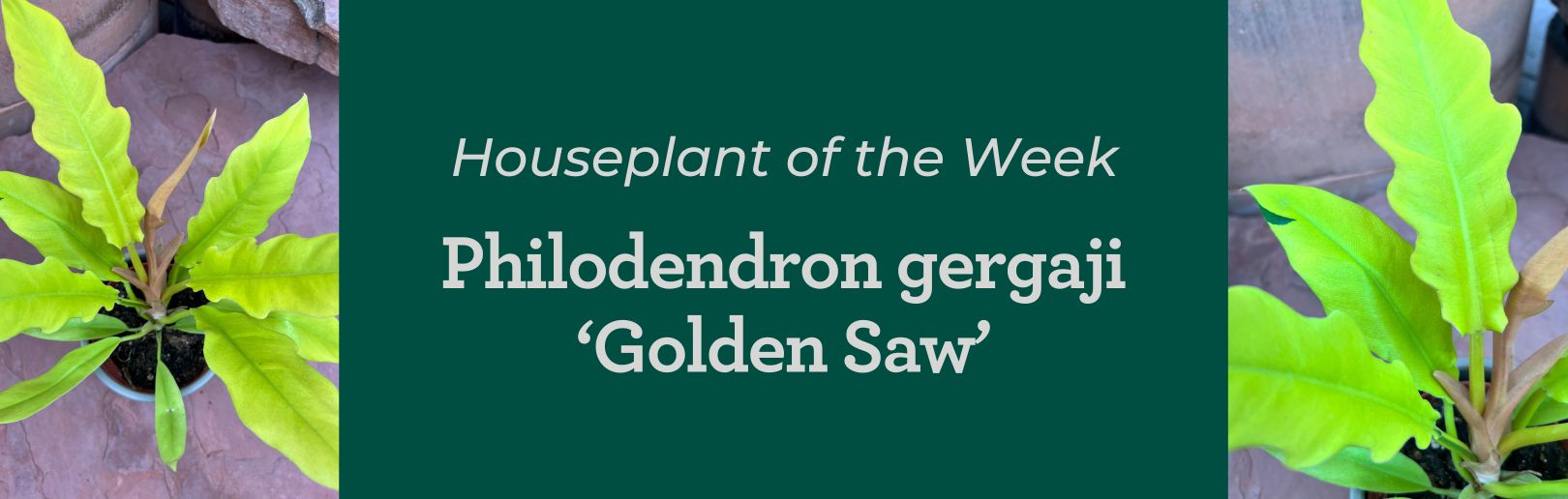
Philodendron gergaji ‘Golden Saw’

Posted on by

This vibrant plant with its lemon and light green wavy leaves glows with a radiant brightness. Compact and eye-catching, its elegant, arching foliage adds charm and color to any indoor space and is ideal for tabletops, shelves, or bright corners.

Like most philodendrons, this variety is easy to care for, making it ideal for beginners. 

Here are some guidelines when cultivating your Golden Saw.

Light: While her golden-lime leaves tolerate lower light, your Golden Saw would prefer bright indirect light. No direct sunlight, however, or those leaves will burn.

Water: Water when the first inch of soil dries out. During the dormant winter months, reduce watering frequency. Make sure the pot has proper drainage to prevent waterlogging and root rot.

Feeding: Feed once a month during the growing season (spring to summer) using a balanced liquid fertilizer applied at a weak strength. Avoid fertilizing during the winter months when the plant’s growth slows.

Houseplant of the Week: The ‘Sensitive’ Plant

Posted on by

Ah, the sensitive plant. Reader of romantic poetry, easy to upset, spending long hours in its room obsessing over comments in its Instagram feed . . .  oh wait, no, that’s a sensitive teenager.  Sorry, got them confused.

The fabulously named Mimosa Pudica (which sounds like an alcoholic beverage and a dessert all rolled into one) is commonly called the “sensitive plant” or the “touch-me-not.” Why? Well as you can see in the video above, it features this intriguing trick: at the slightest touch, its feathery leaves will quickly close together. The name is a Greek/Latin hybrid term meaning “bashful mime.”

And while they’re sensitive, there not too sensitive. Leaf closing aside, mimosa pudica is pretty easy to grow and lovely to look at. Here’s the basics:

Caring for Your Sensitive Plant

  • Mimosa pudica likes soil that can hold enough water to remain consistently moist while providing good drainage to prevent root rot. Self-watering pots are a good choice for this plant.
  • Our sensitive plant loves light and if it doesn’t get enough, it will close those fern-like leaves and fail to bloom with pretty pale pink and purple flowers. East facing windows that get lots of morning light will keep it happy.
  • This is a native of the tropics and it likes its humidity. Placing it near a humidifier or misting periodically will help it feel at home even in our high desert.
  • A diluted high-potassium fertilizer (like you would use for tomatoes) is a great choice because the plant’s movement requires energy.
  • Often sensitive plants are houseplant annuals because they decline after blooming in the summer. However, it is easy to propagate new plants from their seeds.

Houseplant of the Week: Dwarf Japanese Juniper

Posted on by

You probably think of junipers as being outdoor plants, those trees and shrubs that grace your garden with their trailing blue-green needle-like foliage. And while you can plant Dwarf Japanese Garden Juniper outside, they are also highly prized as a bonsai specimens that can be grown indoors.

Well known for their low-maintenance needs and slow growth rate, these plants will thrive inside as you get the light, water and temperature right.

Caring for Your Dwarf Japanese Juniper

  • Light: This is a plant that loves its sun, so make sure that you position your plant where it will receive full sun for at least part of the day.
  • Water: Getting the balance right for Dwarf Japanese Junipers involves making sure they get enough water without overwatering. Make sure they are in well-draining soil to avoid root rot. Saturate thoroughly and then allow the soil to dry out slightly between waterings.
  • Humidity: Juniper bonsai like higher levels of humidity, so you can supplement your watering scheduled by misting the leaves every few days.
  • Temperature: This plant needs warmth as well as sunlight. Typically room temperature is ideal, but avoid placing your plant near a window or door when the temperatures drop.

Houseplant of the Week: Pilea Moon Valley

Posted on by

Pilea Mollis is better known as Pilea Moon Valley, a name inspired by the deep dimples in its leaves that look like craters on the moon. It’s bushy leaves only grow a few inches and the plant remains relatively small, making it perfect for window sills.

Caring for your Moon Valley:

  • This plant likes bright, direct light and will tolerate medium light, but no direct sunlight, please.
  • Water up to two times a week, keeping the soil evenly moist.
  • This plant prefers high humidity, so consider a location where it will get lots of moisture (like a bathroom) or use a pebble tray or humidifier to keep it happy.

Houseplant of the Week: Pink Paradise

Posted on by

Petite and pretty, ‘Pink Paradise’ is a colorful cultivar of the tradescantia “zebra” plant – except this time the zebra’s stripes are bright pink and green.

The foliage gently cascades over the edge of pots, making it perfect for elevated containers or hanging planters, which accounts for one of its nicknames, the “Wandering Dude.”

In addition, this plant is easy to care for and grows quickly (up to 12 inches high and 24 inches wide).

Here are some guidelines for cultivating your Pink Paradise:

Light: Part of the succulent family, Pink Paradise needs bright, indirect sunlight when grown indoors. As with many plants, you should avoid direct sunlight, which could damage those beautiful leaves.

Water: Give your plant a good watering, but then let it dry out before watering again.

Soil: A specialized succulent potting soil is ideal, but any good, fast-draining mix will work.

Temperature/Humidity: Warm and cozy are the watchwords for Pink Paradise, which also likes humidity, so a pebble tray or humidifier is a good idea for your plant.

Houseplant of the Week: Dieffenbachia ‘Amy’

Posted on by

Showy, beautiful and easy to care for, Dieffenbachia can make a super indoor plant. The Amy variety features green leaves with bold splotches of yellow and white.

Its tolerance for low light and numerous varieties make it a favorite houseplant for homes and offices. 

One word of caution, however. If you have small kids or pets, you’ll probably want to make sure you place this plant out of reach. Diffenbachia’s milky sap is a mild irritant and should be kept from bare skin. The sap can even result in temporary loss of speech if ingested by causing swelling of the tongue and throat! That’s how Dieffenbachia came by it’s other name, “dumb cane.”

Caring for Your Dieffenbachia

  • Light: It likes bright but filtered light, particularly in the spring, when it’s tender new leaves can get easily burned. Make sure to rotate your dieffenbachia so they don’t pull to one side of the planter.
  • Water: Keep your Dieffenbachia moist, but be careful not to overwater.
  • Fertilizer: Feed every couple of weeks with a nitrogen-rich fertilizer to encourage growth.

Houseplant of the Week: Sansevieria

Posted on by

Our houseplant of the week goes by many, many names. Technically, it is Sansevieria, but you might know it as the Snake Plant, Mother-in-Law’s Tongue or even Viper’s Bowstring Hemp, as the plant’s strong fibers were once used for making bowstrings for hunting in its native Africa.

Whatever you call it, this bold and beautiful plant with its long, slender leaves typically edged in a lighter green-gray color, is quite a stunner. And quite forgiving. It’s really hard to kill a Snake Plant – basically overwatering is all you have to worry about.

CARING FOR YOUR SANSEVIERIA

  • Allow soil to dry between watering and be careful to not overwater.
  • Try to avoid getting leaves wet when you water.
  • While they prefer indirect light, these plants are tolerant of a variety of light conditions – including florescent-only lighting!

Houseplant of the Week: Alocasia Silver Dragon

Posted on by

Alocasia 'Silver Dragon' in a grey pot.

The Alocasia Baginda ‘Silver Dragon’ is a show-stopping houseplant that earns its name from its stunning, silvery-green leaves with dark veins, reminiscent of dragon scales. Native to Southeast Asia, it’s winning raves from plant enthusiasts thanks to its unique foliage and manageable size.

If you’re ready to care for your own ‘Silver Dragon,’ follow these tips to keep it happy and thriving

  • Indirect sunlight. Filtered light is key so those gorgeous leaves don’t get scorched. Rotate your plant periodically to promote even growth.
  • Planting soil. A loose potting mix to promote drainage and avoid root rot is ideal. You can include coco coir, perlite, or orchid barks in your mix.
  • Watering. Don’t let your Alocasia dry out completely, but let the first two inches of potting mix dry out before watering. (And don’t panic if you miss a watering; silver dragon is more tolerant of dry conditions than other types of alocasia.)
  • Keep it away from heating or cooling vents in your house, which could dry it out.
  • Feed me, Seymour! Silver dragons have a hearty appetite, so plan on feeding this variety every couple of weeks during the spring and summer.

By following these care tips, your Alocasia Baginda ‘Silver Dragon’ will reward you with its striking foliage and continued growth. With a bit of attention and love, this plant will undoubtedly become a centerpiece in your indoor garden.

Houseplant of the Week: Lemon Button Fern

Posted on by

The Lemon Button Fern (Nephrolepis cordifolia ‘Duffii’) is a charming and compact variety of fern that has gained popularity among plant enthusiasts for its delicate appearance and easy care requirements. Its small, rounded fronds and fresh lemony scent (when brushed or crushed) make it a delightful addition to indoor gardens and terrariums. Here’s everything you need to know about this lush, vibrant plant:

Growing Your Lemon Button Fern!

Light – The Lemon Button Fern thrives in bright, indirect light. Direct sunlight can scorch its delicate fronds, while low light may slow its growth. A spot near an east- or north-facing window is ideal. If grown under artificial lighting, fluorescent or LED lights work well.

Watering – These ferns prefer consistently moist soil, but avoid waterlogging. Allow the top inch of soil to dry slightly between waterings. Overwatering can lead to root rot, while underwatering can cause fronds to turn brown and crispy.

Humidity – As a tropical plant, the Lemon Button Fern loves high humidity. If grown indoors, consider placing it in a bathroom, using a humidity tray, or misting it regularly. A humidity level of 50% or higher is ideal.

Temperature – The fern thrives in temperatures between 60-75°F (15-24°C). Avoid exposing it to drafts or extreme temperature changes.

Soil – Well-draining, rich soil is essential. A mix of potting soil with peat moss or coconut coir works well. Adding perlite or sand ensures proper drainage.

Fertilizer – Feed the fern with a diluted liquid fertilizer every 4-6 weeks during its growing season (spring and summer). Avoid fertilizing in the fall and winter when growth naturally slows.

Pruning and Maintenance – Remove yellowing or dead fronds to keep the plant healthy and encourage new growth. Its compact size requires little pruning overall.

Houseplant of the Week: Hen & Chicks

Posted on by

Sempervivum, commonly known as Hen and Chicks, gets its name from the way the plant reproduces. The “hen” is the main plant in the center, and the “chicks” are the smaller offshoots surrounding it. The Northern Lights variety is especially striking due to its vibrant color palette, which ranges from deep greens to hues of pink, red, and purple, depending on the amount of sunlight it receives.

This plant thrives in environments that mimic its native mountainous terrain. Its natural ability to survive in tough conditions makes it an excellent choice for those who may not have a green thumb but still want a showy and resilient plant.

One of the best features of the Northern Lights Hen and Chicks is how easy it is to propagate. When the “chicks” form around the main “hen,” you can gently remove them and replant them in new pots. These offshoots root quickly and can be shared with friends or used to expand your succulent collection.

Caring for Your Hen & Chicks

Light: These plants thrive in bright, indirect light. A sunny windowsill or well-lit spot in your home would be perfect.

Temperature: They are pretty tolerant of lower temps, but make sure to keep them in an area where the temperature doesn’t fluctuate drastically.

Watering: Unsurprising for a succulent, Hen & Chicks are drought-tolerant, and it’s best to let them dry out between waterings. Make sure your pot has good drainage as overwatering can lead to root rot.

Food: While these plants benefit from a balanced, water-soluble fertilizer about once a month during the spring and summer, they don’t require heavy feeding.