Category Archives: Houseplants

Houseplant of the Week: Goldfish Plant

Posted on by

It’s interesting how many plants have common names that remind you of creatures that live in the water. Heliconias are known as “lobster claws” because their flowers have that shape. Then there’s the String of Dolphins. Today’s fish-as-a-plant is the Goldfish Plant.

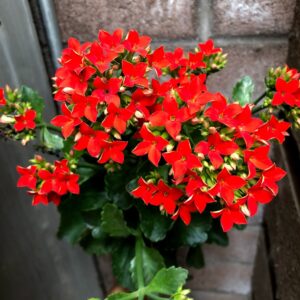
Columnea gloriosa features dark green leaves and flowers of red, orange and gold that do look a lot like goldfish.

They are an easy plant to grow and care for and are also great for propagating. Plus, they make quite a splash (sorry, we couldn’t help ourselves) with their colorful flowers.

Caring for Your Goldfish Plant

Goldfish plants want a lot of light, but direct sun will burn them so make sure it’s indirect. They also grow well under artificial light in the winter.

These plants love humidity, so make sure that their soil never fully dries out and if you have them in a hanger, mist them on a pretty regular basis. (And mist them with room temperature water, not cold, which can damage the leaves). If you want a really happy Goldfish plant, you might want to consider the bathroom, where they’ll thrive on the steam from the shower!

You’ll want to fertilize on a regular basis during the growing season (spring and summer). Controlled release pellets are a good choice.

Other tips

  • This is a long-living plant, and will thrive if you repot it every couple of years.
  • You can easily propagate this plant. Pick a stem a few inches long without a flower bud and they will take root very easily.
  • Also look out for aphids, spider mites, and mealybugs as these are common pests on this tropical plant.

Houseplant of the Week: Ficus Trangularis

Posted on by

Probably the easiest of the ficus plant species to grow, ficus triangularis (or triangle fig) offers all the beauty of most ficus plants, but it’s the least fussy. This makes it a perfect plant for beginners.

The name comes from the plant’s triangle-shaped leaves that are typically variegated with dark, waxy green centers morphing into cream-colored soft edges. This striking combination makes this plant a highly decorative addition to your indoor decor.

The plant grows slowly, but can reach heights of four to eight feet, so the cute centerpiece on your table today could eventually grow into a nice floor plant with time.

Caring for Your Triangle Fig

Soil: Ficus triangularis requires a rich, well-draining potting mix.

Water: The triangle fig likes deep watering and then being able to dry out before being watered again. Wait until the top third of the plant’s soil is dry before watering. Do not allow your ficus to sit in standing water.

Light: Bright, indirect light year-round is perfect for this plant. If you find that your plant is dropping leaves or losing its variegation, it’s likely it’s not getting enough light.

Fertilizer: Feed once a month from spring through fall and refrain from feeding during the winter.

Houseplant of the Week: Geogenanthus ciliatrius

Posted on by

A relative newcomer to the houseplant scene, Geogenanthus ciliatrius (or “Geo” for short), is a stunner originally from the rainforests of Ecuador and Peru. Until recently, it was relatively hard to come by, but last year Geo became the “it” plant, getting a lot of press in articles with headlines like “The 12 Coolest New Houseplants of 2022.”

It’s easy to see what the buzz is about.

The plant has large, shiny oval-shaped leaves that are so dark they almost appear black (typically, they start out green with a purple stripe and as they age the purple takes over and grows deeper and deeper in color).

But they are a bit tricky to cultivate. They prefer low-light areas, so don’t stick them on a windowsill or in a bright room. As befits their rainforest beginnings, they like their soil moist and their air humid. Let the top inch of soil dry out and then completely drench the plant when you water. Geo will quickly decline if its soil gets too dry. Use an evaporation tray to provide the humid air it craves.

You can feed your plant during the spring and summer, but not when it isn’t actively growing. In fact, over-fertilizing can do more harm than good.

Finally, “listen” to your Geo, because it will let you know when it needs some tender care. Curling or limp leaves? Probably your plant’s soil is too dry. Brown leaf edges? Geo is telling you it needs more humidity. Brown spots are usually caused by your plant being hit with direct sunlight.

Lastly, those large lovely leaves can get dusty, and this not only diminishes the look of the plant, it can also interfere with its biological functions. Rinse the plant off or wipe the leaves with a clean cloth periodically to keep your Geo healthy and looking beautiful.

Houseplant of the Week: European Cypress

Posted on by

Although you typically see European Cypress outside, with their tall columns of dense blue green conifer leaves, it is possible to grow this plant as a houseplant.

Despite names that link it with the European continent (it’s also commonly known as an Italian or Mediterranean Cypress), the tree’s roots are firmly in Persia – modern day Iran. You can, however, find this cypress growing wild in places like Greece, Turkey and Israel.

The dwarf version of the European Cypress does very well as a container plant, but you’ll need to replicate some of the conditions it would get if it was planted outside in your garden.

That means a picking a sunny location in your home with at least six hours of brightness and good air circulation.

European Cypress will tolerate almost any type of soil, but your pot should have good drainage to prevent root rot. You want to keep the soil moist, but not heavily saturated. Don’t let the soil dry out completely.

Your plant would also appreciate a misting about once a month.

Keep your European Cypress happy and you can have the joy of bringing the beauty of the outdoors right into your home.

Houseplant of the Week: Aglaonema (Chinese Evergreen)

Posted on by

Not only are aglaonema plants beautiful, there are also very easy to grow, even if you are a novice gardener.

This tropical foliage plant, also known as the Chinese evergreen,  is one of the most durable houseplants you can have. As long as they are warm enough, they will tolerate poor light, dry air and drought.

That doesn’t mean you shouldn’t try to make your home hospitable to this lovely plant. If those leaves could talk, they’d tell you that they prefer bright, indirect light, some nice cozy temperatures and a bit of humidity (they are originally from the tropics of Asia, after all).

Caring for Your Aglaonema

  • Light: Your Chinese evergreen does well in anything from low to bright, indirect light. The pink-veined variety is one of the few pink plants that can tolerate low light.
  • Water: Let your plant dry out about 50% before watering again as too much liquid can lead to root rot. And keep this rule of thumb in mind: the less light your plant has, the less water it will need.
  • Temperature: They do not like the cold. Keep temperatures in the 70- to 85-degree level, and make sure wherever they are the temperatures don’t drop by more than 10 degrees at night.
  • Fertilizer: Feed older Chinese evergreens a couple of times a year with water-soluble houseplant fertilizer.
  • Pests: Chinese evergreens are susceptible to spider mites, scale, mealybugs and aphids. Check the leaves routinely for signs of pests.

Houseplant of the Week: Watermelon Vine

Posted on by

A bit of a hidden gem in the houseplant world, the trailing Pellionia pulchra (better known as watermelon vine) has oval-shaped variegated leaves with dark stems. One of the best ways to enjoy this beauty is to put it in a hanging basket or a high shelf to show off its cascading vines.

This lush plant can be a little finicky, so it’s a good idea to be attentive about its light, water and feeding.

Watermelon vine houseplant

Light: The watermelon vine likes plenty of bright, indirect light, which will help it grow. Can it survive lower light levels? Yes, but more light ensures that this plant will thrive instead of just survive.

Water: This is a plant that originated in southeast Asia, so it’s used to having moist soil. You’ll want to water when the top inch of its soil dries out. Don’t let it go completely dry!

When you water, saturate the soil until it runs through the pot’s drainage holes. Remove any excess water from the drainage plate. This plant likes moisture, but not sitting in water.

Temperature and Humidity – The sweet spot for this plant, temperature wise, is in the mid-70s. Keep them away from drafts that would come from exterior doors or cooling/heating vents. They also love their humidity, so a humidifier or pebble tray with water is highly recommended.

Here’s another tip for humidity loving plants – group them with other plants. It will boost the “collective humidity” and benefit all the plants.

Feeding Time – Your watermelon vine prefers diluted fertilizer every other week during growing season in the spring and summer. You don’t need to feed in the fall and winter when the plant is dormant.

Houseplant of the Week: Monstera Deliciosa

Posted on by

monstera deliciosa plant

Like many lovely plants, Monstera Deliciosa is stuck with a not-so-appealing name, but this monster is actually very popular for its large, dramatic, perforated leaves. In fact, you can see it often in magazine spreads as a “statement” plant, dominating the décor.

Which leads to our first piece of advice about this houseplant – it needs a lot of room. Cramped spaces, tight corners, and windowsills need not apply.

As far as general care, your monstera likes a well-lit indoor spot and weekly waterings. You’ll want to keep those gorgeous “Swiss cheese” leaves clean with a damp cloth. In addition to removing dust, it actually allows the plant to “breathe” better and absorb moisture, which it likes as a tropical plant.

Monsteras outgrow their pots in about two years. You might also want to consider lending your monstera a little support (like a trellis or support sticks) to help it stay upright.

Houseplant of the Week: Ivy

Posted on by

Ivy houseplant positioned on a wooden shelf

The image that probably pops into most people’s heads when you mention Ivy is the vine you often see clinging to the sides of houses. In fact, as a vine, it’s often considered invasive because of its aggressive growth.

But Ivy as a houseplant makes a lovely addition to a home, where its leaves will cascade down from pots and hanging baskets.

Caring for Your Ivy Plant

The most important thing your ivy plant needs is the right amount of light. The mostly green varieties like a bright light, but if you have a variegated version with white on the leaves, you might want to bring that down to medium light.

While Ivy like humidity and to be watered regularly (think of English Ivy in the rainy British Isles), it doesn’t like to be soaking in water, which can make the roots rot.

Remember to feed your plant, too. Fertilize your ivy with a water soluble, nitrogen-rich fertilizer about once a month except in winter, when the plant is dormant.

Finally, remember this is a plant from northern Europe, so it tends to like its temperatures on the cool side.

Houseplant of the Week: Fiddle Leaf Fig

Posted on by

The glamour puss of the ficus world is the fiddle leaf fig or ficus lyrata. Tall and stately, it grows in a column and tends to go up, instead of out, so it works well as a decorative tree that has the drama of big leaves without taking over the whole room. Those leaves are violin or lyre shaped, thus the name.

Fiddle leaf figs tend to get a bad rap as being, well, fiddly, but they honestly are not that demanding.

Probably their biggest concern is getting enough bright (but filtered) light and keeping warm (remember this is a tropical plant – putting one near the fan or the a/c is just torture).

Like most plants, the fiddle leaf fig likes its soil moist but not sopping wet, which will lead to droopy leaves and root rot. A good rule of thumb is to wait until the top 2 – 3 inches of soil are dry and then provide a thorough watering. Here’s a pro tip: water with room temperature water when possible. That will prevent it from getting a chill and going into shock.

What they do like is a little moisture in the air, which can be hard to achieve in dry Arizona, so try misting to make the leaves of your fiddle leaf fig happy.

Houseplant of the Week: Ficus Benjamina

Posted on by


Another member of the fig tree family, the ficus benjamina is also known as the weeping fig or ficus benjy.

Like other ficuses, it features nice thick foliage with dark rich leaves. It needs a bright room and steadily moist soil.

So why does it weep? Well, it doesn’t like being distressed and when it is, it responds by dropping its leaves. But if you put it in a nice bright room and leave it there (it doesn’t like moving around) and don’t overwater it, it should stay calm and beautiful.

You’ll often see a household Benjy grown to almost six feet, although in nature, these trees can soar to 10 times that height. You’ll also sometimes see braided trunks with this plant to augment their ornamental beauty.

Caring for your Benjy

  1. Light: Place it in a room with bright, but indirect sunlight. Again, once you find a good spot, keep the plant there, as it has a high intolerance for being moved.
  2. Water: Steadily moist soil is great, particularly during growing season, but don’t let the plant sit in water as this will cause root rot. In the fall and winter, you can scale back and let the plant get drier.
  3. Food: This is a plant that likes its meals. To keep up with its heavy feeding schedule, you might want to use slow release pellets at the beginning of the growing season in spring. After that fertilize monthly during the spring and summer and then scale back to once every other month during the fall and winter.
  4. Pruning: This plant is a fast grower and should be pruned, but wait until the growing season is over.