Houseplant of the Week: Bamboo or Lady Palm

Posted on by

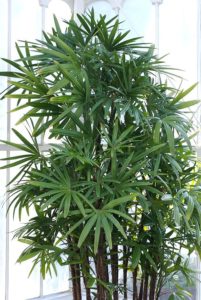
For tall, cool elegance you can’t go wrong with Rhapis excelsa, better known as the Bamboo Palm or Lady Palm.
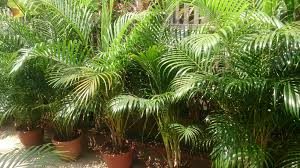
Dark green with fan-like groups of leaves set on tall stalks, the plant is from Asia, most likely China or Taiwan. It’s low lighting and humidity needs makes it a popular choice for offices.

You should place this palm near an east-facing window out of direct sunlight in a room. Water the palm when the soil is dry to a depth of 1 inch during the spring and summer and 2 inches during the fall and winter.

You can repot your palm every couple of years, increasing the size of the pot each time if you want it to grow. After you’ve reached the desired size, continue to repot every couple of years to refresh the soil (they like a soil mix similar to what you’d use for African Violets).

You’ll only want to feed your plant during the summer and take care not to over-fertilize.

Photo courtesy of Eric in SF through Creative Commons 4.0
https://creativecommons.org/licenses/by-sa/4.0

Savoring the Last Moments of Summer

Posted on by

Don’t let summer end too soon.

Now with the current weather, I know it might seem ridiculous to remind you that it’s still summer. It’s been in the mid-80s most days and that kind of heat is probably all the reminder you need.

The thing is, there seems to be a shift that happens in August, particularly if you have school-age kids. They go back to class and we let summer slip away. Summer isn’t just about a set number of days on the calendar; I think it’s a state of mind as well.

While the weather is still warm and the flowers are still blooming, make sure to take advantage of the outdoors and your backyard or patio. Savor these last easy going, relaxing days and store up your great summer memories. Before you know it, the leaves will turn and the snow will fall.

Here  are some ideas of things to do to enjoy these last weeks before gearing up for the fall:

    1. Backyard picnic – When is the last time you pulled out a blanket, gathered everyone around and enjoyed some nice “al fresco” dining in your own backyard? If you’ve been growing veggies, you probably have lots of super fresh food to enjoy, which you can pair with a nice glass of wine or some ice tea or lemonade.
    2. Barbeque – With the monsoons lessening the wildfire danger, now is a great time to have a barbeque and it’s a great excuse to gather the kids in the backyard for a few games while dinner is on the grill.
    3. Unplug – Give yourself a digital detox by spending some time outside and off your phone, tablet or computer. And, by the way, that means no headsets or earbuds. Go outside, listen to birds and leaves in the wind, and take your eyes off that screen. There’s more to life than the Internet. Bonus points if you strike up a conversation with another human being. 🙂
    4. Freshening up the garden – Most of your garden is probably doing fine, but it’s likely that some of your annuals have either exhausted their blooms. Grab a few six packs of things like portulaca or diamond frost euphorbia and use them to patch up sections of your garden. They are great late summer plants and can tolerate any end of season hot spells we get.
    5. Watch a sunset. We are blessed with some amazing summer skies to enjoy in northern Arizona. Find a spot and take a moment to really enjoy them.
    6. Join us for FLAVOR. Before summer ends, Warner’s Nursery will be the venue for a brand spanking new event, the FLAVOR Northern Arizona Food and Wine Festival. It’s a great way to learn more about local wine (and mead!) makers, brewers, restaurants and our good friends at the Sweet Shoppe Candy Store. Music and more, all on our beautiful grounds at Warner’s. You can learn more about it here.
    7. Spend every moment you can outside. No, summer isn’t over, but it is in limited supply. The days are getting shorter, the temperatures will soon drop and the holidays will be here before you know it. So make hay while the summer sun shines.

Happy gardening,
Misti

Houseplant of the Week: Areca Palm

Posted on by

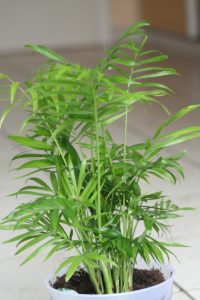
With the Areca Palm, the thing to remember is that this houseplant loves the light. Bright, indirect light, preferably from a south or west facing window is the ticket to making this palm grow.

And grow it will. Your tabletop version will gain anywhere from 6 to 10 inches every year until it reaches its mature height of six to seven feet.

Their fronds can have up to 100 leaves that spread out beautifully, which is why this variety is often referred to as the butterfly palm. However, they are one of the few palms that do well if you trim them, making it easier to keep the plant indoors for its lifespan without having to rearrange your furniture to fit it. 🙂

While Areca Palms are not difficult to care for, you can’t neglect them. They like enough water to keep their soil slightly moist in the spring and summer, while you should let the soil dry slightly between waterings in the fall and winter. As for food, you can use a time-release fertilizer in the spring that will last the whole season.

You’ll need to repot your Areca every couple of years, mostly to replenish the soil and remove fertilizer salt deposits that can build up.

The Most Common Watering Questions

Posted on by

We at Warner’s have been providing gardening help to generations of Northern Arizona residents for almost 50 years and in that time, there are questions that are just like perennials – they keep coming up every year. What are the best times to plant trees? How do you deal with garden pests? How much sunshine or shade does this plant or that one like?

But most often the questions turn to watering, particularly when it comes to trees and shrubs. So here’s a compilation of the questions we get most frequently about making sure your trees and shrubs have enough moisture not only to survive, but thrive.

How often should I water? Here are some general guidelines for trees and shrubs:

  • For the first three weeks of a new tree or shrub, you’ll want to water at least once a day with a slow drip for at least 20 to 30 minutes. If it’s particularly warm or dry, you’ll want to make that two or three times a day.
  • After the first month, switch to once every other day until the winter.
  • Trees don’t really fully establish their root systems until four years in, so in years two and three, you’ll want to water two to three times a week during the spring through the fall, dropping down to once a week after the tree is established.
  • During the winter, your watering can drop off to about once every three to four weeks.

Is it absolutely necessary to water in the winter? Isn’t the snow enough? Winter watering cannot be avoided. Snowfall should not be counted on for winter moisture; we could get a 3-foot snowstorm two months into the season, but those drier earlier months are enough to damage a newly planted tree or shrub. Also, keep in mind that a foot of snow might only work out to an inch of melted water, which might evaporate as quickly as it melts and not reach the bottom half of the root ball.

Can’t I just throw a five-gallon bucket of water on all of my plants? It is important to do a long deep soak instead of quick and heavy watering which the root ball doesn’t soak in very well (an hour soak is ideal). Our highly porous soil requires that slow trickle so that water doesn’t run off.

Will plants survive using reclaimed water or well water? Using reclaimed water is nice, but any well water or grey water has to be tested for salts and hard minerals. These elements can kill a tree over time if they build up in the soil.

I have a drip system, is it safe to leave town for a while after my plants are planted? Drip systems aren’t foolproof. Timers fail, malfunctions happen, hoses occasionally disconnect. So if you need to leave town, make sure someone is checking that your new tree/shrub is getting thoroughly soaked and your timer is running properly.

Do I still have to water if it rains? YES. Unless it rains consistently for 5-6 hours in the day, you have to deep soak. A typical monsoon lasts less than an hour and only wets the top 4 inches of the soil.

If you have any questions on watering – or any other gardening issues – please feel free to ask our experts here at Warner’s Nursery. We are happy to help.

Happy Gardening,
Misti Warner-Andersen

Oh, Hail No!

Posted on by

In my last blog, I talked about all the wonderful things that come with monsoon season – free water, cooler temps, a chance to practice some great conservation techniques like water harvesting.

But there is a downside. Hail.

Damaged caused by hail is just terrible, as anyone knows whose had hail damage to a car or house. It’s also horrible to gardens, often destroying in minutes the beautiful veggies or flowers you have been cultivating for weeks or months.

Truthfully, even really heavy rains can cause damage, so it’s fortunate that you can mitigate the threat that the weather poses – before, during and after the storm.

The best thing you can do beforehand is to get rid of any debris in your garden (which storm winds could turn into projectiles) and prune dead or weak branches. Your strategic cuts are far more preferable to a storm just stripping a plant willy-nilly. For some taller plants, you might want to also give them a little support by tying them to a metal or wooden stake.

When a storm hits, your best bet is to cover plants. I use frost cloth since it’s strong but breathable. This will not only protect all of your garden from hail, it will keep drought-tolerant plants from becoming water-logged.

If you have a greenhouse, you’ll want to put a tarp on that as well to protect the roof from hail damage. One year our nursery had terrible damage to our panels, so I speak from experience.

Your biggest job will be after the rain and hail are over – cleanup, checking over plants to assess damage, doing repairs where you can (or replacing plants that can’t be salvaged), and preventing problems that sometimes come up after a lot of wet weather.

  • Check for visible roots, particularly with newer plantings. When heavy rains hit, soil around a plant can erode, so make sure the storm didn’t leave roots exposed and tamp down the soil around your plants.
  • Check your containers for damage and make sure they are draining properly.
  • Monsoons can bring with them moisture-loving fungus, powdery mildew, black spot and mushrooms. Spray your plants on a dry day to prevent these problems (particularly Aspen, which often succumb to black spot this time of year.)
  • Mushrooms should just be pulled out, but only if you have pets or kids who will get into them. Otherwise they can be left.

I haven’t given up on loving monsoon season – plants are thirsty creatures and the water makes weeding your garden beds easier – but there are preventable issues that can come up with all that rain and hail. With some thought and care, you can protect your plants from the worst that the season has to offer – so you can spend more time enjoying the best.

Happy Gardening,
Misti Warner-Andersen

Making the Most of Monsoon Season

Posted on by

It hasn’t quite hit us yet, but we are right on the verge on Monsoon Season, with its cooler temps and welcome water.

We often talk in this space about being “water-wise” in our dry climate – things like using drip irrigation systems and selecting drought-resistant plants for your garden. Now, as the monsoon season starts, it’s time to take advantage of the weather by practicing rainwater harvesting.

There are lots of great reasons to harvest rainwater: lower water bills and general water conservation immediately spring to mind. But it’s also better for your plants since it’s not treated with any chemicals and it reduces soil erosion.

Rain barrels, which can be any container you use to catch water from a downspout, typically have a screen mesh to prevent debris from getting into the container and a spigot allowing you to attach your hose to the barrel and water your plants or grass.

You want to make sure your barrel is on a sturdy platform. Remember, unless you plan to install a pump, your rain barrel will be using gravity to move the water from the barrel through the hose and into your garden or yard, so the additional height will help increase the rate of flow.

Here are a few tips to make using a rain barrel safe and easy:

  • You can use emitters and timers with your rain barrel system for distribution, but make sure they are for low-pressure systems. If you get parts that require 10 or 15 pounds of pressure per square inch (PSI), they will not work with your rain barrel.
  • Make sure to keep your rain barrel clean; remove any debris that might block the screen mesh and clean the inside regularly to reduce algae growth.
  • Keep your rain container out of direct sunlight. That will slow down evaporation of the rainwater you collect and also discourage mosquito breeding.
  • Make sure no one drinks from this water. This water is great for your plants, but it’s not potable, so you might want to mark it so and take extra care that your kids and pets don’t try to drink from it.

Properly thought out and installed, rainwater harvesting can be great for you, your wallet and your garden.

Happy Gardening,
Misti Warner-Andersen

Attracting the Wildlife You Want

Posted on by

On the days I get to sit back and enjoy my garden (instead of working at the nursery to help you with yours!) one of the big rewards is getting to see the ecosystems my garden supports in my little patch of the world.

There’s nothing like sitting on your patio, feeling the sun on your back and watching butterflies floating around your shrubs, bees collecting pollen from your flowers, and hummingbirds filling up from your feeders.

Besides bringing buzz and birdsong into your yard, these pollinator-friendly gardens allow you to help Mother Earth. We’ve all heard about bee colony collapse and anything you do to help bees helps all of us. (It’s estimated that bees and their power of pollination are responsible for about a third of the food we eat).

But your garden might also attract animals that will wind up feasting in your veggie patch and stomping on your blooms. Yep, I’m looking at you, Bambi and Thumper.

Here’s what I do to attract the wildlife I love – and keep out those animals that might damage my flowers and veggies:

  • Bird feeders. Nothing says “come on by” better than free food. Suet, seed and sugar water keep my backyard filled with lovely feathered friends. I also have a water feature with running water that the birds seem to love.
  • Layered plantings. By layering your plants, you give little critters more safe spaces from creatures that might prey on them. It also allows them to go from plant to plant without expending too much energy.
  • Pollinators favorites. My garden is full of Dianthus, Catmint, and Monarda and these are very popular with the bee and butterfly set.

I’m fortunate in that my home has fencing, so I don’t get rabbits and deer. However, there are deer resistant plants and shrubs you can plant, and you might want to use a repellent spray to keep away the mammals likely to feast on your flora.

  • Deer shy away from some plants because they are actually poisonous to them (think daffodils and foxglove), while others just “stink” as far as they are concerned, such as ornamental salvia, lavender and peonies.
  • Rabbits are pretty voracious, but tend not to like gardens with: daffodils, lavender, lilac bushes, marigolds, zinnias and snapdragons.
  • Groundhogs also don’t like lavender along with many, many herbs (basil, sage, chives, rosemary, mint and oregano).

Unfortunately, nothing seems to keep the squirrels away – which is one of the reasons I’m really happy I have a dog. 🙂

With careful planning and a little prep, you’ll be able to share your backyard with the wildlife you want – and keep those garden destroyers out of your yard.

Happy Gardening,
Misti Warner-Andersen

Misti’s Blog: Summertime is magic

Posted on by

Summer is magic.

There is something about this season, when school is out and the temperatures climb and everything around you says “relax – it’s summer.”

These are the months of feeling the grass under your bare feet and lying back to see what shapes the clouds make in the sky. It’s about super fresh foods (maybe even grown in your own garden!) and lemonade you squeeze yourself and barbecues in the backyard.

Summer is our busiest time at the nursery and we’re all working late hours. Still, this is the season when I get to kick back.

A big part of this is my kids. The boys are out of school, so we aren’t running around crazily arranging transportation to school or practice or a dozen other things. I get to spend more time with them (sometimes they even work at the nursery). I know how quickly they are growing up, and getting these extra precious hours with them means everything to me.

Another reason I love this season is I truly love gardening.

You know the line about the cobbler’s kids who don’t have shoes? That does not happen at my house. I might be working in a nursery all day, but I absolutely love gardening at home in my free time. It relaxes me, it makes me content, it feels good physically and mentally.

And you can’t argue with the results. The second best thing to gardening is getting to enjoy what you have created with your family and friends. Watching flowers bloom and trees take root and veggies grow is satisfying and wonderful.

I hope you have a fun-filled, relaxing summer. Have a swim, wear some great sandals, make sure to make time for your family. It’s magic, but it doesn’t last forever. Enjoy it while it’s here.

Happy gardening,
Misti

Celebrating Earth Day

Posted on by

There are few holidays or observances that are celebrated around the world regardless of your nationality or religion, but since the 1970s, April 22nd has been known worldwide as a day to promote environmental protection and show your love for Mother Earth.

Earth Day started in the United States as an “environmental teach-in,” but quickly grew and now there are close to 200 countries that hold events on the day.

If you are wondering what you could do to make the Earth a more vibrant place and be more environmentally responsible, here are some suggestions for this Earth Day (and every day, truthfully).

  • Plant a tree. I run a nursery, so this, of course, is the first thing that pops into my head. A tree not only adds greenery and beauty to your property; it also provides shade, cleans the air and gives critters a place to rest, nest and feed.
  • Consider alternatives to driving everywhere. Walking, biking, public transport, and car-pools are all great ways to get where you are going while saving on energy consumption and reducing pollution.
  • Switch to e-bills and invoices instead of paper ones. In addition to saving trees, they are also easier to (virtually) file!
  • Create a pollinator garden. Chemicals and pollution have done harm to bee colonies and by planting flowers, you help repair their ecosystem. Not sure what plants are best for creating a garden that bees and butterflies will love? Check out a special workshop we’ll be hosting with Dr. Patrick Pynes later this month. He’s not only a lecturer at NAU in Environmental Humanities; he also founded the Northern Arizona Organic Beekeepers Association (NAOBA).
  • Fix leaky faucets. That drip, drip, drip you hear at night from a leaky faucet is literally money going down the drain. A slow drip can waste seven to 10 gallons of potable water a day.
  • Speaking of water, start conserving the H2O that falls from the sky by installing a rainwater harvesting system in your home. We have a free seminar about that on Saturday, April 13 at 11 am.
  • Take time to appreciate the earth. A visit to a park or a hike in the mountains will remind you of how gorgeous your home planet is and why it’s worth making some changes to better protect it.

I hope you have a wonderful Earth Day this year. If you need any advice on ways you can be more eco-friendly in your garden or lawn, we are happy to help at Warner’s.

Happy Gardening,
Misti

Coffee Arabica

Posted on by

This is a great plant that can produce colorful cherries against a backdrop of glossy dark green foliage but is very cute even when it doesn’t have berries or flowers.  When berries appear, they go from yellow to orange, then finally to deep red. Each cherry produces two coffee beans, but they don’t produce every year and, in fact, an indoor version may not produce coffee at all.

The coffee tree is a natural air purifier. It will absorb harmful particles from the air, releasing more oxygen. In addition, to make the air in your home purer, you’ll also feel good knowing that your beans were not sprayed with pesticides and are free of harmful chemicals.

This evergreen plant requires minimum maintenance and is trouble free. Keep it in a pot indoors. Never let the temperature fall below 30 degrees. They like bright, indirect light. Soil should be acidic to neutral. They also like high humidity (you can make a humidity tray by putting some gravel in a saucer and filling the saucer with water).