Ficus Tineke

Posted on by

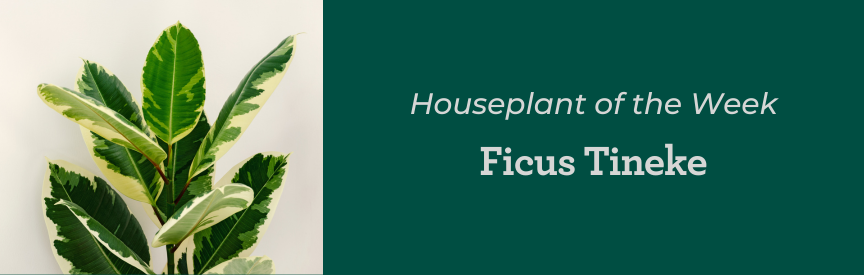
The Ficus elastica ‘Tineke’, commonly known as the Ficus Tineke or variegated rubber plant, is an eye-catching indoor plant prized for its attractive leaves. It’s a cultivar of the rubber tree plant with creamy-white, green, and pale pink variegation on the leaves.

Caring for Your Ficus Tineke
  • Bright, indirect light is ideal. Variegated plants like Ficus Tineke require more light than solid-green varieties to maintain their leaf patterns. Avoid direct sunlight, as it can scorch the leaves. However, too little light may result in faded or uneven variegation.

  • Watering – Water when the top 1-2 inches of soil are dry. Overwatering can lead to root rot, while underwatering may cause leaf drop. During winter, reduce the watering frequency since the plant’s growth slows down.

  • Humidity & Temperature – Ficus Tineke prefers moderate to high humidity. If the air is dry, you can mist the plant or use a humidifier. Keep the plant between 60-80°F. It does not tolerate drafts, so avoid placing it near vents or cold windows.

  • Soil & Fertilizer – Use well-draining potting soil with good aeration. A mix of peat, perlite, and standard houseplant soil works well. Fertilize with a balanced liquid fertilizer every 4-6 weeks during the growing season (spring and summer). Stop feeding in winter.

Saxifraga Stolinfera ‘Tricolor’

Posted on by

When it comes to houseplants that are both unique and low-maintenance, Saxifraga Stolonifera ‘Tricolor’, commonly known as the Strawberry Begonia or Strawberry Geranium, is definitely worth exploring. Its enchanting blend of colors, charming trailing habit, and resilience make it a favorite among both novice and experienced gardeners.

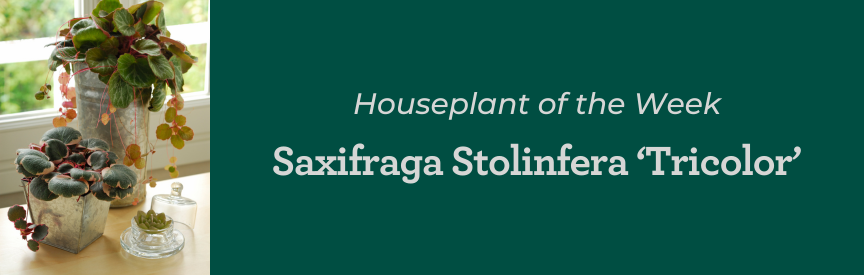
The plant earns its ‘Tricolor’ name from its three-toned foliage. The leaves have a deep green in the leaf center, creamy white or light pink edges, and are lined in a pink that becomes more pronounced and vibrant as the plant is exposed to light.

Caring for Your Saxifraga Stolinfera ‘Tricolor’
  • Light: Bright indirect light creates brighter pink colour in the leaves.

  • Water: Keep moist during summer and water less during the winter months. Avoid getting water on the plant’s leaves.

  • Food: During the summer months feed weekly using a weak fertilizer. Avoid feeding during the winter months.

  • Humidity: Normal household humidity is ideal for the Strawberry Begonia.

Houseplant of the Week: Lucky Bamboo

Posted on by

Lucky Bamboo plants, which really aren’t bamboo but a variation of the Dracaena plant, are popular not only to cultivate in your home, but as a gift because of the good fortune they are said to bring to a home.

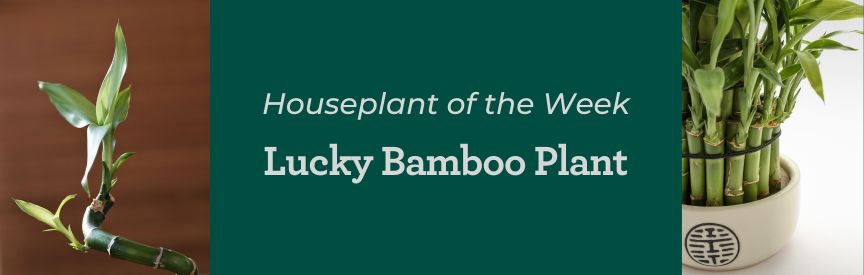
Structurally these plants are very dramatic, often with the stalks swirling in curlicues or braided. The number of stalks in your plant is said to represent various blessings in Feng Shui – two is for romance, three for happiness, five for peace and balance, nine for good luck. (However, you will rarely find a plant with four stalks; in Cantonese the word for four sounds too similar to the word for death for it to be lucky.)

One of the reasons for the lucky bamboo’s popularity is its ease of care. Whether you’re a seasoned plant enthusiast or just starting your indoor plant journey, caring for lucky bamboo is simple. Here are a few tips to keep your plant thriving:

Water or Soil? This plant will thrive in well-drained, rich potting soil, but you can also cultivate it in a vase filled with water, as long as it has at least an inch of standing water at all times. However, any water you use with the Lucky Bamboo needs to be filtered, distilled, or bottled water, not tap (the chemicals and minerals in typical tap water is harmful to this plant).

If you plant your Lucky Bamboo in soil, water it every 10 days or so, keeping the soil moist, but not soggy. If your plant is in a vase, change the water every week or so.

Light. Lucky bamboo thrives in indirect sunlight. Too much direct sunlight can scorch the leaves, while too little light may cause the plant to become weak and stunted.

Temperature. A tropical plant, Lucky Bamboo understandably prefers your thermostat be set somewhere between 65°F and 90°F. Please keep it away from drafts or cold windows during the winter.

Fertilizing. You don’t need to fertilize often. A small amount of liquid fertilizer every couple of months will suffice, but even without it, your lucky bamboo should do just fine.

Houseplant of the Week: Staghorn Ferns

Posted on by

Staghorn ferns are different from most other common houseplants – even other ferns.

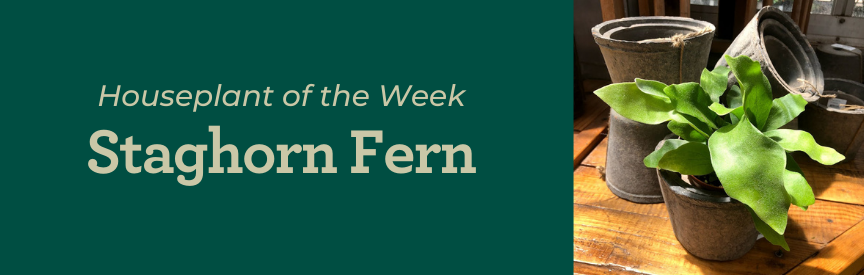
The plants have not just one, but two types of leaves, one of which resembles antlers when it matures (in fact, other common names for this plant are elk horn or antelope ear ferns). These are the fertile leaves that produce the spores that allow the plant to reproduce.

The other leaves, which are flat and broad, are sterile. Sometimes they will look brown, but don’t remove them thinking they are dead leaves; they are essential for getting the plant nutrients and making it stable. 

Although you might buy your young staghorn fern in a pot, they are epiphytes, meaning that they do not grow in soil but instead use their roots to anchor themselves to host trees. Most staghorn ferns are grown on a plank of wood (and even hung from walls as a bit of plant art), or you can grow them in a basket with moss, peat or other organic material as the growing medium.

They enjoy bright, indirect light and absorb water through their fronds as well as their roots, so they love humid places or a good misting. A good rule of thumb is to water your plant once a week in dry and hot weather and then reduce to every two or three weeks as temperatures cool.

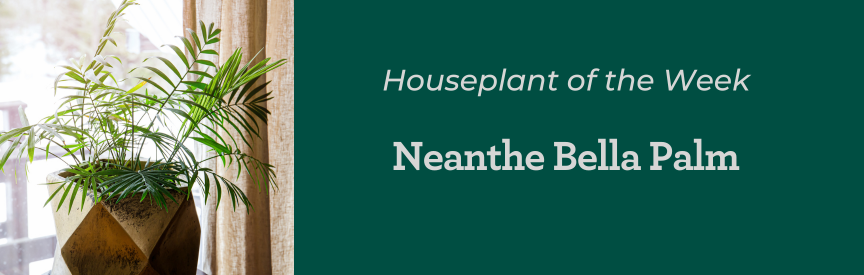
The Neanthe Bella or Parlor Palm

Posted on by

The Neanthe Bella or Parlor Palm is one of the most popular houseplant palms in the world – and its easy to see why. With its elegant lush leaves, this palm is a lovely addition to any home.

The plant can reach three to four feet in height, but it will take several years to get there. This plant thrives in a variety of indoor lighting conditions, but a room with medium to bright light and a north or west facing window is best. Do not keep your plant in direct sunlight.

Keep your plant evenly moist, meaning the soil should never be completely dry or overly wet. Do not keep the plant in standing water for more than 15 minutes as this can lead to root rot and pests.

The Parlor Palm needs more fertilizer than most indoor palms. Feed monthly in spring and summer with a slow-release fertilizer. If the leaf tips are brown, you could be over fertilizing.

Seersucker Plant

Posted on by

We often select houseplants due to how they look – the color or shape of the leaves, the beauty of their blooms if they flower, whether they stand tall in a pot or cascade from a hanging planter.

While Geogenanthus poeppigii is beautiful to look at, what makes this easy-to-care-for indoor plant is its texture – which is similar to the material that makes a seersucker suit.

The bottom of the leaf of this plant is purple and the top of its leaves are green with darker green stripes. The surface as a whole, however, has a “puckered” appearance leading to the seersucker name.

Here’s how to care for this lovely plant:

  • Light: This plant actually thrives in low to moderate light conditions, making it ideal for offices or homes without a lot of sunny windows. In fact, too much direct sunlight can scorch the leaves and cause them to lose their vibrant color.

  • Watering: Like many tropical plants, Geogenanthus poeppigii prefers consistently moist soil, but it is crucial not to overwater, as this can lead to root rot. It’s best to let the top inch of soil dry out slightly between waterings, but the plant should never be left in dry soil for extended periods.

  • Humidity: High humidity is essential for Geogenanthus poeppigii to thrive. Mimicking its natural rainforest environment, this plant benefits from regular misting or placement in a humid room, such as a bathroom or near a humidifier.

  • Temperature: Keep this plant in a warm environment, ideally between 65-80°F  as it is sensitive to cold drafts.

Boost Your Brainpower with Houseplants & Coffee Shops

Posted on by


Now that our college students have returned and settled into their routines, we’d like to suggest two items that might help them enhance their learning, draft their term papers, or prepare for exams:

Houseplants and coffee shops.

It’s true. There are multiple studies indicating that having houseplants in your dorm room or studying in a place with lots of plants can help with retention and creativity.

One reason is aesthetics. Dorm rooms can often feel bland and adding plants provides a visual focal point and a pop of color that makes your living (and studying) space warmer and more comfortable. Plants also have been shown to reduce stress and symptoms of depression and fatigue. Connecting with nature (whether walking in the woods or nurturing a houseplant) can improve your mood and thus enhance your productivity.

Research from the University of Michigan showed that studying in the presence of plants increases concentration and memory, while another study done at Texas A&M University indicated that working in plant-filled spaces led to higher-quality work, including increased accuracy.

If you need to get out of the dorm or your apartment for a change of pace, a coffee shop might be the perfect place to study. We have one right in the heart of our nursery – Dottie’s Garden Coffee Shoppe. 

Besides being a beautiful spot, there’s the added benefit of delicious caffeine!

But there’s another reason – other than the coffee kick – that might help students. It’s literally called the “coffee shop effect,” a term coined by neuropsychology researcher Onno van der Groen, a lecturer at Edith Cowen University in Australia.

Van der Groen’s research indicates that the low hum of background noise in a place like a coffee shop stimulates sensory signals in the brain that make you more focused. They can even free your mind from a mental rut so you can see things from a new perspective.

If you come visit us, you’ll get to enjoy our new furnishings, both inside and out on our patio (check out the pictures in the sidebar!) And did we mention we have a lot of plants here, too? Double the brain boost!

So bring your laptop, your books, and your notes to Dottie’s, where the ambience won’t just make you feel better – it may make you a better student too.

Happy Gardening,
Misti

Monstera Thai Constellation

Posted on by
Variegated leaves of the Monstera Thai Constellation

The rare and highly sought-after Monstera Thai Constellation has captivated the hearts of plant lovers due to its stunning variegated leaves.

It’s a variety of the popular Monstera deliciosa, often called the “Swiss cheese plant” due to the characteristic holes that develop in its leaves. The Thai Constellation, however, has a striking contrast between deep green leaves and creamy white splashes, resembling constellations in the night sky.

This variety was cultivated in Thailand, and while it is more accessible than other unique varieties of Monstera plants, it’s still considered relatively rare and is still a prized possession for many collectors.

Although the Monstera Thai Constellation is easy to care for in general, it does require a little extra attention compared to its non-variegated relatives. Here are some key tips to help your plant thrive:

Light – The Thai Constellation loves bright, indirect light. The variegation in its leaves reduces the plant’s ability to photosynthesize, so it needs more light than a standard Monstera deliciosa. However, avoid direct sunlight, as this can cause leaf burn. 

Watering – Like most tropical plants, the Monstera Thai Constellation prefers consistently moist soil but doesn’t appreciate sitting in water. Water when the top 2-3 inches of soil feel dry, and ensure proper drainage to avoid root rot. Be mindful not to overwater during the colder months when the plant’s growth slows.

Humidity – Native to tropical environments, the Thai Constellation thrives in high humidity, so consider using a humidifier, placing your plant in a naturally humid area like a bathroom, or misting the leaves occasionally.

Fertilization – During the growing season (spring and summer), fertilize your Thai Constellation every 4-6 weeks with a balanced, water-soluble fertilizer. This will help support its growth and ensure the variegation remains vibrant.

Houseplant of the Week: Lithops

Posted on by


Lithops, split succulents, known as “living rocks,” make a rare, colorful and easy-to-care-for addition to your houseplant garden.

Tiny and total heat lovers, Lithops are native to South Africa and grow very, very slowly. They also tend to flower prior to producing new leaves, which emerge from the split in the plant.

Caring for Your Lithops Plant

Soil: Your Lithops needs good draining soil, and we recommend a cactus mix, maybe with some pebbles to increase drainage.

Water: Lithops store water in their leaves, which can keep them hydrated for months. That makes overwatering a concern. However, the little guys get stunted if they don’t have enough H20. The solution is making sure to water only when the soil is thoroughly dry. Here’s a cool trick – put a wooden skewer into the soil and see if it’s moist when you take it out. If it is, the plant doesn’t need to be watered just yet. Also, if your plant is in the process of producing new leaves, hold off on the watering until the old pair of leaves are dried up and withered.

Light: Sun and plenty of it. East or south facing sunny windows will give them the light and heat they need.

Houseplant of the Week: Desert Rose

Posted on by

The desert rose (Adenium obesum), a native of Africa and the Middle East, is a slow-growing succulent with a thick trunk and thin, delicate leaves. It sports beautiful trumpeting flowers that are similar to miniature roses and can come in pink, red, and white.

Other common names for the desert rose include impala lily, mock azalea, and Sabi star. Although not strictly bonsai plants, these plants are often used in bonsai gardens because of their small stature.

These are plants that like light – and lots of it. Desert Rose plants need bright, direct sunlight for at least 6 hours a day, so putting them in a South or West-facing window is ideal, or use a grow light if your space doesn’t provide enough natural lighting.

These plants are drought tolerant and prefer to fully dry out between waterings.

Use a sandy soil (similar to what you would use for cacti) when planting.