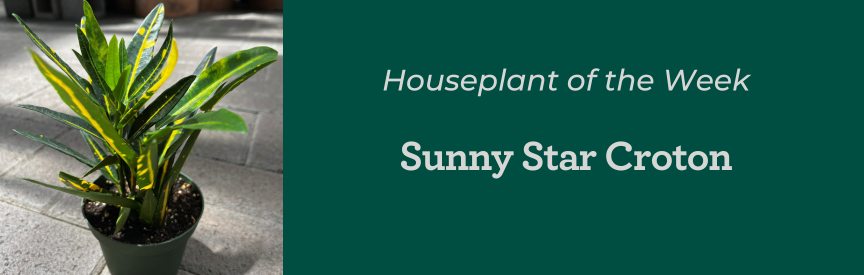
Houseplant of the Week: Sunny Star Croton

Posted on by

Long, strong leaves with lines of bold neon yellow are typical of this cultivar of the Codiaeum variegatum or the Croton plant. Native to the Pacific Islands, crotons are often grown outdoors, but they are also popular as lovely houseplants.

Here’s the first thing you need to know about croton plants in general: they are a bit stuck in their ways. Crotons are notorious for not liking change and can be sensitive to disturbances whether it’s repotting or changing lighting conditions or humidity.

So if you take home your plant and find that it loses a bunch of its leaves within a few days, don’t panic. It’s not that it’s a bad plant or you somehow “failed” it. Basically, it’s gone into shock. It will recover pretty quickly with some regular plant care – the right amount of light, proper watering and good soil.

Caring for your Croton

Let’s talk about lighting first. In general, Crotons like a sunny location; lack of sufficient light can even cause new leaves to be less colorful! Crotons also like their humidity; they are, after all, a tropical plant. A pebble tray or regular misting will keep your plant looking good.

Crotons like consistent mild moisture, but don’t want to be waterlogged, so a soil with good drainage is a must.

The plant should also be kept away from drafts and cold, as it cannot tolerate temperatures below 60 degrees.

Crotons can reach heights of about 3 feet, so you might want to make this a floor plant in your home.

Celebrating Mother’s Day

Posted on by

Did you know that if you were to assign a monetary value to all the tasks a mom typically does for her family, her annual salary in 2024 would amount to $140,315?

That’s what Insure.com’s Mother’s Day Index suggests. Each year, they tally up the various roles moms fulfill, cross-referencing them with the average hourly wages from the Bureau of Labor Statistics to arrive at this figure.

I personally love the jobs that make the index each year. There’s cook and chauffeur (naturally), and maid and meeting planner (that makes sense too). But there’s also teacher, interior designer, grounds maintenance worker, judge, and my favorite, private investigator.

It’s a fun little article, but I think it also points out the difference between the worth of the work that a Mom – or any other primary caregiver – does, which can be measured and calculated, and the value of being someone’s Mom, which is pretty much priceless.

How do you measure the value of comforting a child, tending to their scraped knees, guiding them with boundaries, and being their biggest cheerleader at every milestone? How do you assign a price tag to the daily doses of encouragement that shape them into the remarkable individuals they become?

It’s interesting how many highly accomplished people – from Abraham Lincoln to Pablo Picasso – credit Mom for what they achieved. The anthropologist Jane Goodall said that her Mom told her she could achieve anything she wanted to if she put her mind to it. “I am always grateful for that,” she added.

I hope you have a wonderful Mother’s Day this weekend. If Mom is no longer around, spend some time cherishing her memory. If she lives far away, give her a call. And if you are lucky enough to have her nearby, spend some time with her. Do lunch, take in a movie, or maybe plant a garden. There is no one in the world quite like her and, despite the best efforts of Insure.com, no way you can truly pay her what she’s worth.

Happy Mother’s Day,
Misti

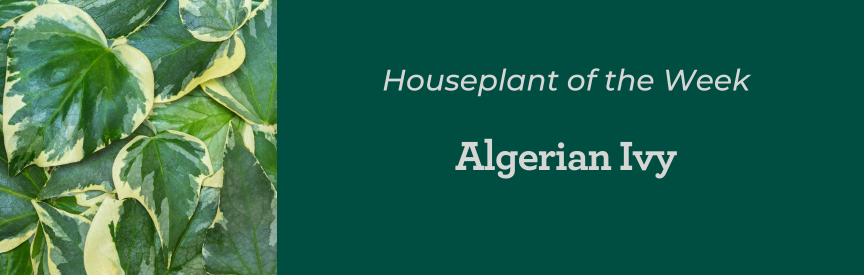
Houseplant of the Week: Algerian Ivy

Posted on by

Algerian Ivy

The image that probably pops into most people’s heads when you mention Ivy is the vine you often see clinging to the sides of houses. In fact, as a vine, it’s often considered invasive because of its aggressive growth.

But as a houseplant, ivy is a favorite of indoor gardening enthusiasts. Algerian Ivy (Hedera canariensis), with its cascading foliage and elegant demeanor, is a versatile houseplant with lovely dark green leaves often edged in creamy white.

This plant has larger leaves than its cousin, English Ivy, and is slightly more drought tolerant.  

Caring for Your Algerian Ivy Plant

The most important thing your ivy plant needs is the right amount of light. Ivy plants that are mostly green like bright indirect light, but variegated versions with white on the leaves prefer medium light.

While Ivy plants like regularly watering, they don’t want to be waterlogged as this can make the roots rot.

Remember to feed your plant, too. Fertilize your ivy with a water soluble, nitrogen-rich fertilizer about once a month except in winter, when the plant is dormant.

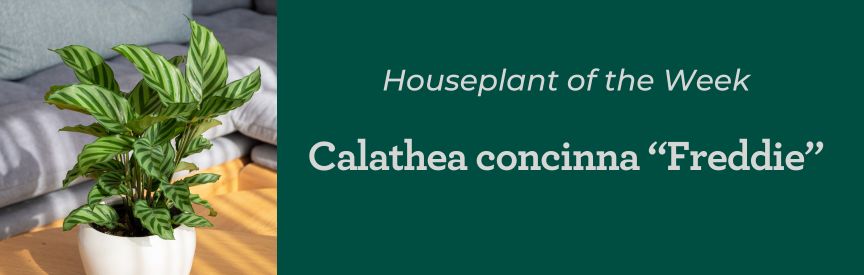
Houseplant of the Week: Calathea concinna ‘Freddie’

Posted on by

The beautiful ‘Freddie’ with its dramatically patterned leaves is another member of the ‘prayer plant’ family. Plants in the family are known for their leaves moving from flat during the daytime to erect at night, as if they were hands in prayer.

Like most tropical plants, Freddie loves heat and humidity. It prefers medium to bright indirect light, but will tolerate lower light.

When watering, you are trying to walk the line between keeping the soil damp most of the time without allowing the plant to sit in water or overly wet soil, which can cause root rot.

While sitting in water is not good, surrounding it with humidity is a positive. Try a humidifier or sitting the plant on pebbles to increase humidity. If you really want to give Freddie a treat, try misting.

For a planting medium, you can use a potting mix that is well draining, with elements like perlite or coco coir.

Finally, remember that this plant likes it nice and hot, and while it will tolerate cooler temperatures in the home, make sure it’s not near any A/C vents and avoid drafts.

Believe It or Not, It’s Spring

Posted on by

It’s April 26th, and the Weather Channel has informed me that there’s a 70% chance of snow this evening. Not much, just an inch, but we’ll be hitting a low of 32 degrees. Meanwhile, by the end of the weekend, we’ll be back in the upper 60s.

Welcome to spring in northern Arizona: warm, flower-friendly weather for a few days and then – whoosh – a rush of wind, cold temps and the occasional snow flurry.

But when I see the new buds and leaves on my garden plants this time of the year, it fills me with a sense of hope for the season.

First of all, it’s great knowing my perennials survived another year. Then there’s the excitement of different annuals coming in as the season progresses and we move from pansies and petunias to coneflowers and dahlias.

Right now it’s a great time to plant trees, flowering shrubs, and lots of perennials. It’s even possible to start some warm season veggies, but you have to be strategic about it.

By definition, warm season vegetables are the ones that really can’t stand the cold – things like tomatoes and eggplants and melons. Because they are so susceptible to cool temperatures, they are typically planted outdoors only after the last frost of the spring. Which is a big problem here in northern Arizona because by the time we have that last frost, it’s practically summer.

Fortunately, you can always begin your warm-season veggies inside and then transplant them when the weather is a little more friendly. I have a whole separate blog about that, which you can read here.

I know spring in Flagstaff is maddeningly hard to predict and that makes gardening challenging here. But I was always taught that you don’t get what you wish for; you get what you work for, and the things that you work for the hardest give you the biggest reward.

That’s how I think of gardening in Flagstaff.  Difficult but worth it, and when spring finally decides to stick around, it’s like Mother Nature is giving us hope for the season to come.

Happy Gardening!
Misti

Houseplant of the Week: Spider Plant

Posted on by

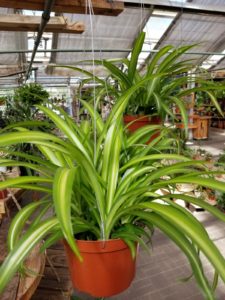
You have to love the nicknames that this week’s houseplant goes by: the airplane plant, the ribbon plant, and (our favorite) hen and chicks. But for most of us, the variegated leaves of Chlorophytum comosum are best known as “the spider plant.”

These are very easy plants to grow and very relatively forgiving of less-than-perfect care.

The slender leaves are striking on their own, but in time, your maturing plant will send out long stems from which little “plantlets” will develop. This is one of the reasons why these plants are so popular as hanging container plants. In fact, if you have them as on a shelf or a table, you’ll want to check periodically that the weight of those plantlets aren’t pulling the pot over.

You can easily propagate your spider plant with those plantlets. Once the plantlet develops roots that are at least an inch or two long, use a pruner to carefully cut it off the stem – keeping the roots intact – and plant in a new pot. Keep your new plant well watered (but not soggy) until the roots become more established.

Spider plants like indirect sunlight, as direct sunlight can burn the tips of their leaves. (Cut the tips off if this happens). They also like nice even moisture, so a good potting soil mix is essential. This is a tropical plant, so it truly loves heat and moisture, but will do well with average household temperatures and humidity – just keep it away from air conditioners and vents.

Spider plants grow fast, so you might want to repot them every once in a while so they don’t get root-bound.

Early Season Edible: Seed Potatoes!

Posted on by

Spring is here and that means it’s seed potato season!

Yes, you can easily grow your own tubers to enjoy baked, mashed, scalloped or fried.

Potatoes require little maintenance and don’t even require much space to grow, so whether you have a huge garden or are growing potatoes in an apartment, you’ll have lots of delicious starchy goodness to enjoy.

Because tubers will grow in the soil that lies between the surface and the original potato start, it’s important to mound additional soil on top of the emerging plant. You may have do this a couple of times in the early stages of growth, so plant your potatoes in an area that allows you to mound the dirt over them.

Here’s how you can grow potatoes in six easy steps.

Step 1: Choose where to plant.

It can be in the ground, a raised bed, or a planter box. Just remember that potatoes need a soil depth of about two feet to grow in, and they will rot if left to sit in wet soil; make sure your have good drainage wherever you plant.

Step 2: Choose your potato.

No, you shouldn’t use potatoes from the grocery store. Why? Because most store potatoes are treated with a “sprout retardant” which gives them a longer life in your pantry, but doesn’t work for planting. What you want is certified seed potatoes from a reputable garden center like Warner’s Nursery.

In terms of variety, you’ll want to choose a potato that best suits your taste and how you plan to cook them:

  • Fingerling – Low in Starch. Use: Roasted potatoes, steamed or broiled potatoes
  • Red Skinned – Low in Starch. Use: Potato Salads, Gratins, Fried potatoes
  • Yukon Gold – Medium Starch. Use: Baked Potatoes, Mashed Potatoes, Soups
  • Russet: High in Starch. Use: Baked Potatoes, French Fries, Potato Pancakes

Step 3: Plant the potato

Potatoes prefer slightly acidic soil but will perform well in almost any soil. If you are planting in a container, always choose a potting soil. If planting in the ground, garden compost works well.

Each eye of the potato will grow, therefore you can cut the potato into several pieces each with an eye. Allow the cuts to dry prior to planting.

Press the potato start about 6 inches into the soil with the eyes facing toward the sun. Cover the starts with soil. Remember to mound additional soil on top of the emerging plant, leaving some green foliage above the soil line so that the leaves can photosynthesize. (Another reason not to let the potatoes have direct exposure to the sun is that it will “green” the potato which can make them bitter – and potentially toxic!)

Step 4: Watering and fertilizer

Potatoes require minimal care. Keep the soil moist, but avoid over watering, which will cause the potatoes to rot. After the plant has grown a few inches tall, apply an organic fertilizer that is safe for edibles. This should be the only round of fertilizer you apply, as too much fertilizer will produce a large, lush plant; but few tubers.

Step 5: Let the foliage expire

If you are impatient (like me!), you can harvest the small baby potatoes as soon as the plant finishes flowering. Once the flowers are gone, the plant’s energy is completely invested in growing tubers. As the plant starts to turn yellow and die back, dig down and gently harvest a few potatoes to test their size. People willing to wait the full term for tuber maturity will know it’s time to harvest when the potato plant dies back completely.

Step 6: Harvest – and enjoy!

Depending on how you planted your potatoes, you will either need to dump out the container or dig them out of the earth. Once you’ve harvested all the potatoes, dispose of the soil and the expired plant. The nutrients in the soil are gone and it may harbor disease, so don’t reuse the soil or put in the compost pile.

Wash the potatoes, and allow them to air dry before storing. Harvested potatoes can be kept in a cool, dark location for several months.

Happy gardening!
Misti

Soil: the Foundation of Your Garden

Posted on by

The foundation for all gardens is the soil we use to grow our flowers and food, and the sad truth is that soil in and around Flagstaff often isn’t up to the job. 

Our arid climate means that both rocks and plant materials break down very slowly, so soil doesn’t have a chance to develop. This results in soil that is nutrient-poor (about 1% organic matter) and slightly alkaline, both of which interfere with a plant’s ability to draw needed nourishment from the soil.

Add to that the amount of clay in our dirt, which is impermeable and doesn’t give our plants the porous environment needed for proper drainage.

However, soil can be amended to make it more hospitable for your garden.

Your first step is to determine the pH level and “texture” of your soil. We have inexpensive kits at the nursery to find out what your soil has and what it needs to be good garden soil.

Once you determine what your soil’s made of, the next step is to amend it to adjust the pH (if needed), improve texture, and add nutrients. Our staff at Warner’s can help you choose the correct amendments to adjust your soil and give a solid foundation to your garden.

Here are a few other tips for good soil in northern Arizona:

  1. Whether it’s broccoli or begonias, it’s important to plant your garden organically.

  2. Reduce waste by composting and create a probiotic for your soil. Added benefit: it will reduce your household trash significantly.

  3. Grow cover and pulse crops such as buckwheat, beans, lentils and clover. They do double duty- enriching garden nutrients while controlling weeds.

These steps will give you healthy, happy and organically rich soil for your garden.

Happy Spring!
Misti

Rex Begonia

Posted on by

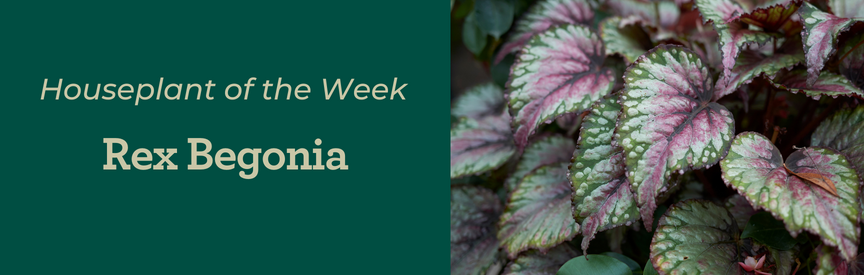
Rex Begonia, the “king” of begonias is also known as the “painted leaf” begonia for its beautiful variegated leaves that can grow up to six inches long and are available is shades of green, red, silver and purple.

This is a plant that you want for its leaves. Unlike flowering plants that may only bloom for a certain season, Rex Begonias provide year-round interest with their colorful foliage, making them a favorite among gardeners and plant enthusiasts. In fact, owners commonly pinch off the Rex Begonia’s not-that-impressive blooms so as to not distract from its dramatic foliage.

To encourage the most beautiful leaf color, you need to give your plant plenty of (indirect) light and pretty high humidity. Here are the basics to giving your Rex begonia the royal treatment it deserves.

Caring for Your Rex Begonia

  • Plant your Rex Begonia in light, fast draining soil.
  • Rex Begonias thrive with bright, indirect light year round. You don’t want to burn those gorgeous leaves, so no direct light. You also want to rotate the plant frequently to give it equal light on all sides.
  • This plant requires regular watering but be careful not to overwater. Let the soil surface become dry to the touch before watering. 
  • They also love humidity, but be careful if you decide to mist the leaves; if they stay wet, you might find yourself seeing powdery mildew. 
  • Rex Begonias like moderate temperatures in the 60-70 degree range.

Propagating for Your Rex Begonia

Rhizomatous begonias such as the Rex Begonia can be easily propagated by rhizome division, layering, or leaf-tip cuttings. For tips on all three method’s check out Misti’s blog about propagating plants here.

Houseplant of the Week: Pink Panther

Posted on by

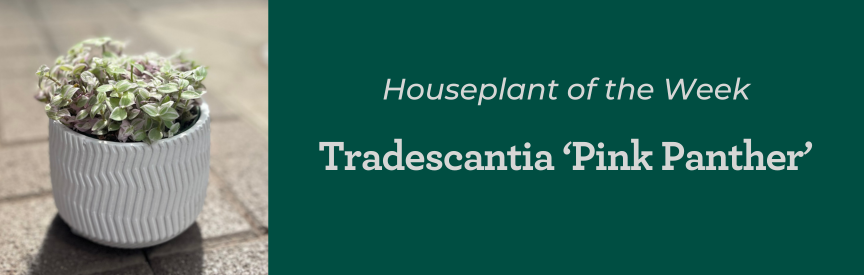
Petite and pretty, Tradescantia ‘Pink Panther’ is a little more subtle than the cartoon character it’s named for – but we think even Inspector Clouseau could figure out why it’s a terrific household plant.

Its tufted leaves are colored icy green, white and a soft pink. The foliage gently cascades over the edge of pots, making it perfect for elevated containers or hanging planters. In addition, it’s easy to care for and grows quickly (up to 12 inches high and 24 inches wide).

Here are some guidelines for cultivating your Pink Panther:

Light: Part of the succulent family, Pink Panther needs bright, indirect sunlight when grown indoors. As with many plants, you should avoid direct sunlight, which could damage those beautiful leaves.

Water: Give your plant a good watering, but then let it dry out before watering again.

Soil: A specialized succulent potting soil is ideal, but any good, fast-draining mix will work.

Temperature/Humidity: Warm and cozy are the watchwords for Pink Panther, which also likes humidity, so a pebble tray or humidifier is a good idea for your plant.